A week ago it was almost eighty degrees. This morning I woke to snow on the ground.
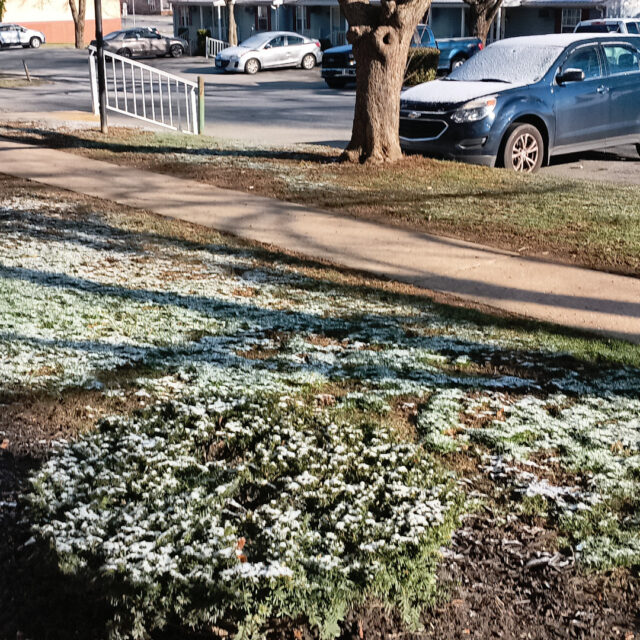
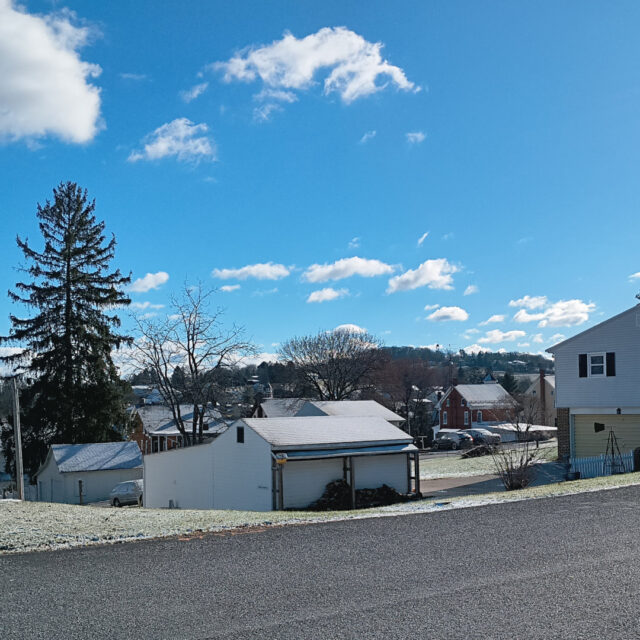
It’s been a wild couple of days. It was pretty but with gale force winds on Saturday when I was in Lancaster for the Shamrocked Beer Festival, genuinely nice on Sunday, and yesterday (Monday) was warm and rainy until the temperature dropped and the winds whipped up.
I had a strange feeling of dread about yesterday’s weather, and I was in an anxious fight-or-flight mode. Absolutely no idea.
The trees outside my apartment remain on the cusp of busting out. The cusp! And the grass seed I’ve laid outside in the dead patches of my “yard” seems to been a waste of my time and money.
But that’s not what I wanted to write about.
Last Tuesday I went to Prospect Hill Cemetery downtown. It was warm, it was lovely, and I was not going to waste the day.
I noticed that they’ve installed new historical markers in the cemetery for Revolutionary War figures. Makes sense — York was a temporary capital of the nascent United States, the Articles of Confederation were signed here, the Episcopal church downtown has a “liberty bell” from that time (and German Hessians are buried in the churchyard). So, I saw signs for soldiers, a Declaration signer, and a merchant who paid for cannon. The latter was interesting, as his headstone was in German and the spelling of his name retained its native spelling, not having been anglicized as it was on the marker.
The thing that really caught my attention, though…
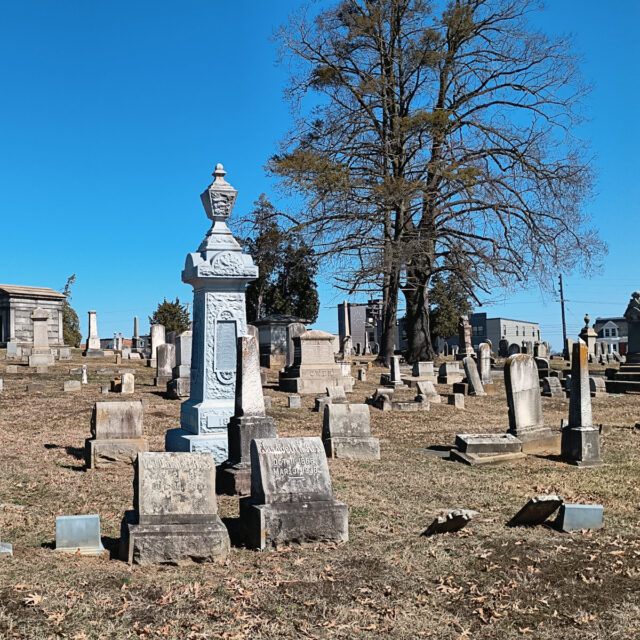
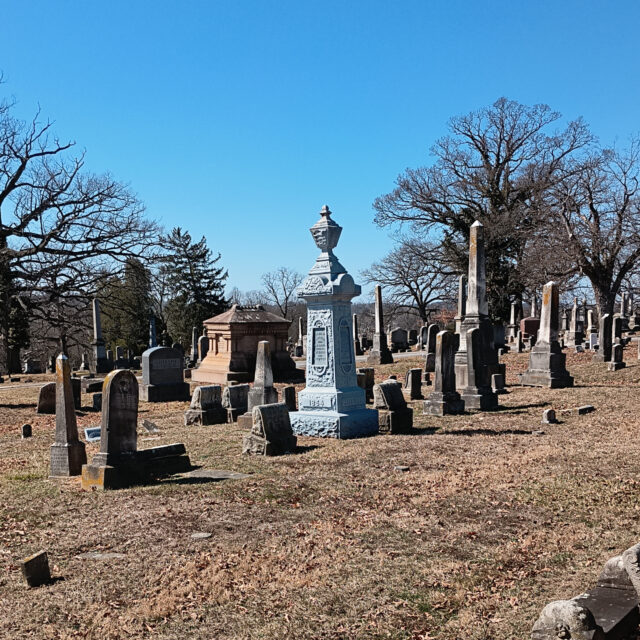
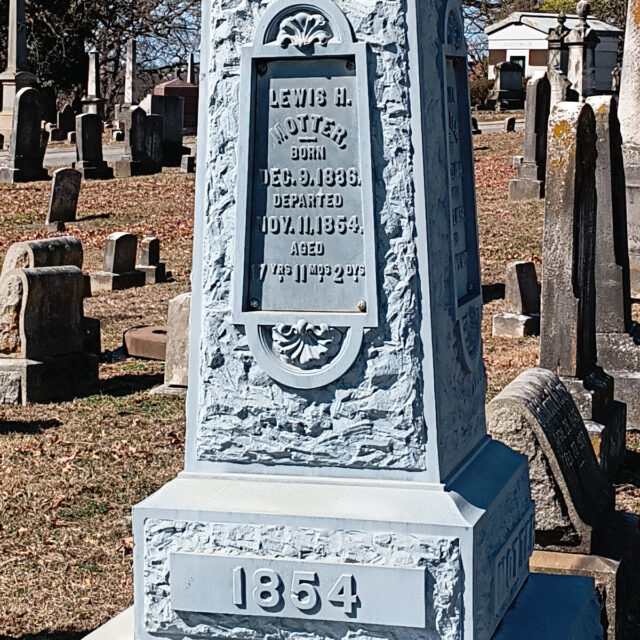
This light gray marker demanded investigation.
It belonged to the Motter family, and there were some very obvious mid-nineteenth-century dates on it — I could see them easily from a distance, though not in these two angles — and nothing about the stone felt authentic to that period. Thus, I had to investigate.
The side that caught my attention said, in large numerals at the bottom, 1854. That side belonged to Lewis Motter, who died in 1854, a month shy of his eighteenth birthday.
The face to the left of Lewis listed four children, three of whom died before reaching their first birthday, the fourth who died at sixteen months.
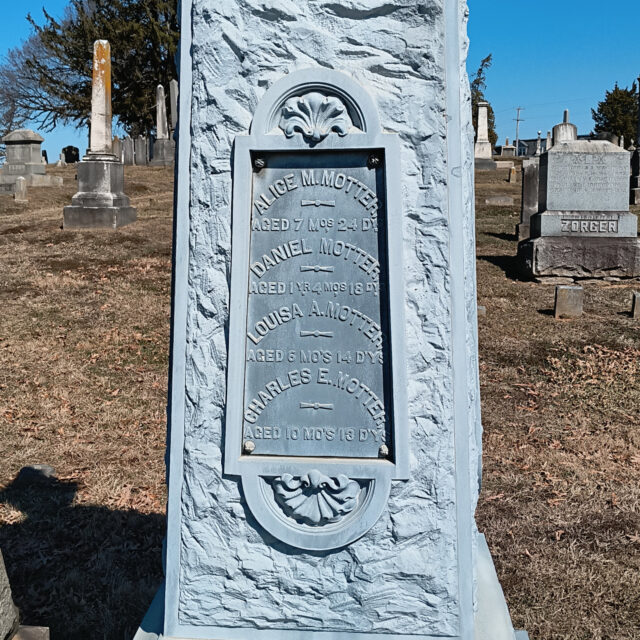
As I looked around, I saw that the older, worn stones, some of them fallen, belonged to the people listed on this stone. They were already marked with stones, and yet this stone was erected for them, even the parents, long after they had gone. I don’t know who they were, I don’t know when this was erected, but seeing the names of the children I sensed this was a grief that had lasted generations, written into stone.
Someone didn’t want these names forgotten. I wonder when this was erected and by whom. I will likely never know.
For a few minutes at least, I could feel their loss.